
Why a Transformer Oil Filtration Machine Is needed for Reliable Power Equipment
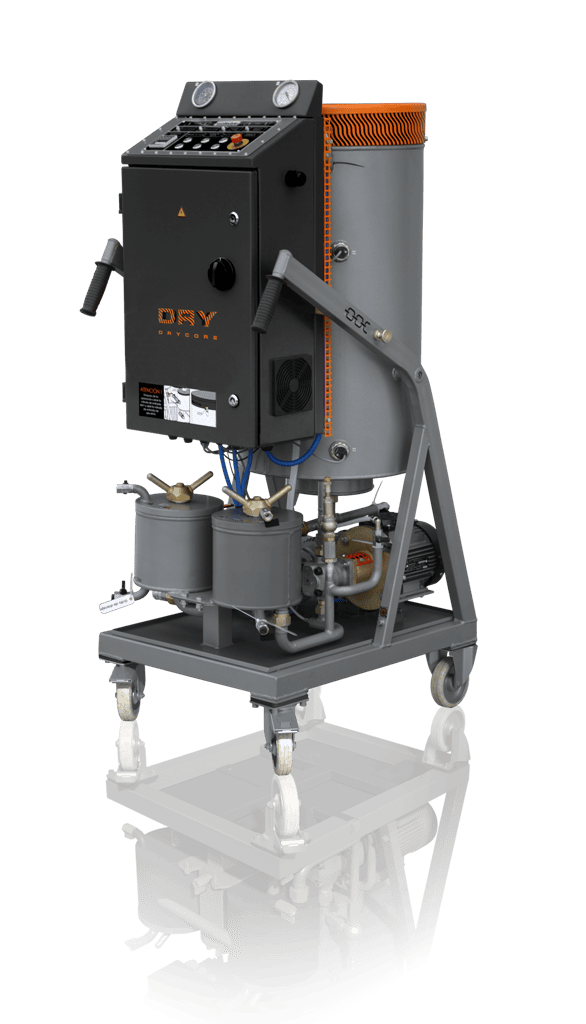
Every transformer oil filtration machine exists because of a simple fact: transformers rely on insulating oil to do two jobs at once – keep windings electrically isolated and carry heat away from the core. The trouble is, oil doesn’t stay clean on its own. Moisture creeps in, gases build up from normal operation, and fine particles accumulate as the equipment ages. This machine is the tool that reverses that damage, pulling contaminants back out so the oil – and the transformer around it – can keep working the way it was designed to
What Happens When Transformer Oil Is Left Untreated
It doesn’t take much contamination to cause real damage. A moisture level of just 30 ppm can drop dielectric breakdown voltage by up to 90%, which is often the difference between a transformer running safely and one flashing over. Suspended particles are just as harmful in a slower way – they wear down winding insulation and settle into sludge that traps heat where it shouldn’t be. Dissolved gases, meanwhile, are usually the earliest sign that something inside the transformer is already starting to fail. Ignore these warning signs long enough, and the outcome is predictable: degraded insulation, higher operating temperatures, and a growing risk of internal arcing.
Signs It’s Time to Run a Filtration Cycle
Operators don’t have to guess when maintenance is overdue. A few clear indicators point to it directly:
- Breakdown voltage falls under approximately 30 kV
- Moisture content climbs past roughly 20 ppm
- Dissolved Gas Analysis (DGA) flags gases linked to developing faults
Even without these red flags, most facilities schedule filtration annually, and always before putting a newly installed transformer into service – practices that align with the testing framework laid out in IEC 60156.
Inside a Multi-Stage Filtration Process
A capable transformer oil filtration machine doesn’t rely on a single technique – it works through several stages, each targeting a different contaminant:
| Stage | What It Does | Why It Matters |
| Heating | Thins the oil to reduce viscosity | Makes it easier to separate out contaminants |
| Vacuum dehydration | Pulls dissolved water down below 10 ppm | Rebuilds dielectric strength |
| Degassing | Clears dissolved gases and trapped air | Lowers the chance of internal arcing |
| Particle filtration | Filters out solids as small as 5 microns | Restores clarity and reduces winding wear |
Done correctly, this sequence can push breakdown voltage above 60 kV and bring oil cleanliness to an ISO 4406 rating around -/14/12 – a benchmark clean enough to noticeably stretch the time between service intervals, in keeping with IEC 60422.
The transformer oil filtration machine DC-2.6P: Purpose-Built for This Job
The DC-2.6P Transformer Oil Purification Machine was designed to run this entire process – heating, vacuum dehydration, degassing, and particulate filtration – in one continuous pass, rather than requiring separate equipment for each step. Rated at a minimum throughput of 0.6 m³/hour, it’s sized for routine substation and industrial maintenance work while still meeting IEC 60422 standards for finished oil quality. That combination makes the DC-2.6P a fit for hydroelectric plants, thermal power stations, renewable energy facilities, and any industrial site running high-value electrical equipment that can’t afford unplanned downtime.
Why Filtration Is Worth Budgeting For
The financial case is straightforward. Routine filtration typically removes about 99% of contaminants in one cycle, improves cooling efficiency by up to 20%, and cuts oil-replacement spending by 30-40% over time. Skip that maintenance, and the alternative is an unplanned failure – lost production, emergency repair crews, possible replacement of the entire unit, not to mention the downtime costs that ripple through everything the transformer powers. Set against that risk, running a transformer oil filtration machine on a regular schedule is one of the cheapest insurance policies a facility can buy for its electrical infrastructure.